This summer (2026) my most recent article was published in the Hispanic Studies Review: “Se nos pasó el cuento, no el arroz: Non-Motherhood, (In)Fertility, and Choice in Míriam Aguilar’s ¿Y ahora qué? (2024) and Paola Andrea Ghirardi’s Diario de una bordadora (2023) (PDF here). I had begun working on this essay during the fall of my sabbatical year back in 2024 (somehow 2 years ago!!), after having read both books during the summer of 2024 when I was in Spain. I couldn’t stop thinking about these non-motherhood, “hybrid” narratives and how they fit into broader discourses on feminism and motherhood in Spain (and indeed globally) that I have been working with — and seen evolve — over the past decade. My full article open access via Hispanic Studies Review‘s website here. Below, I’ll give a brief intro to each text and the core arguments of the article, then excerpt the first paragraph from each of the article’s three sections.
General Introduction
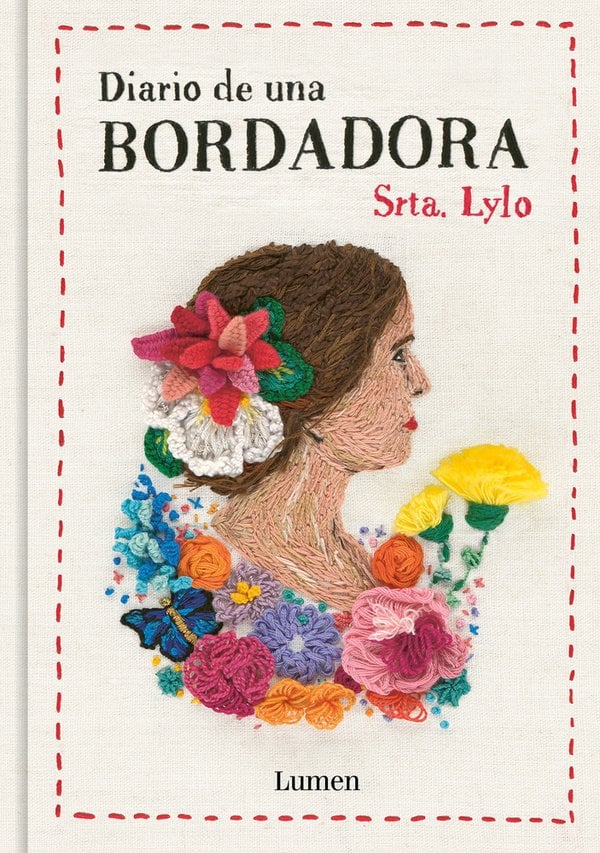
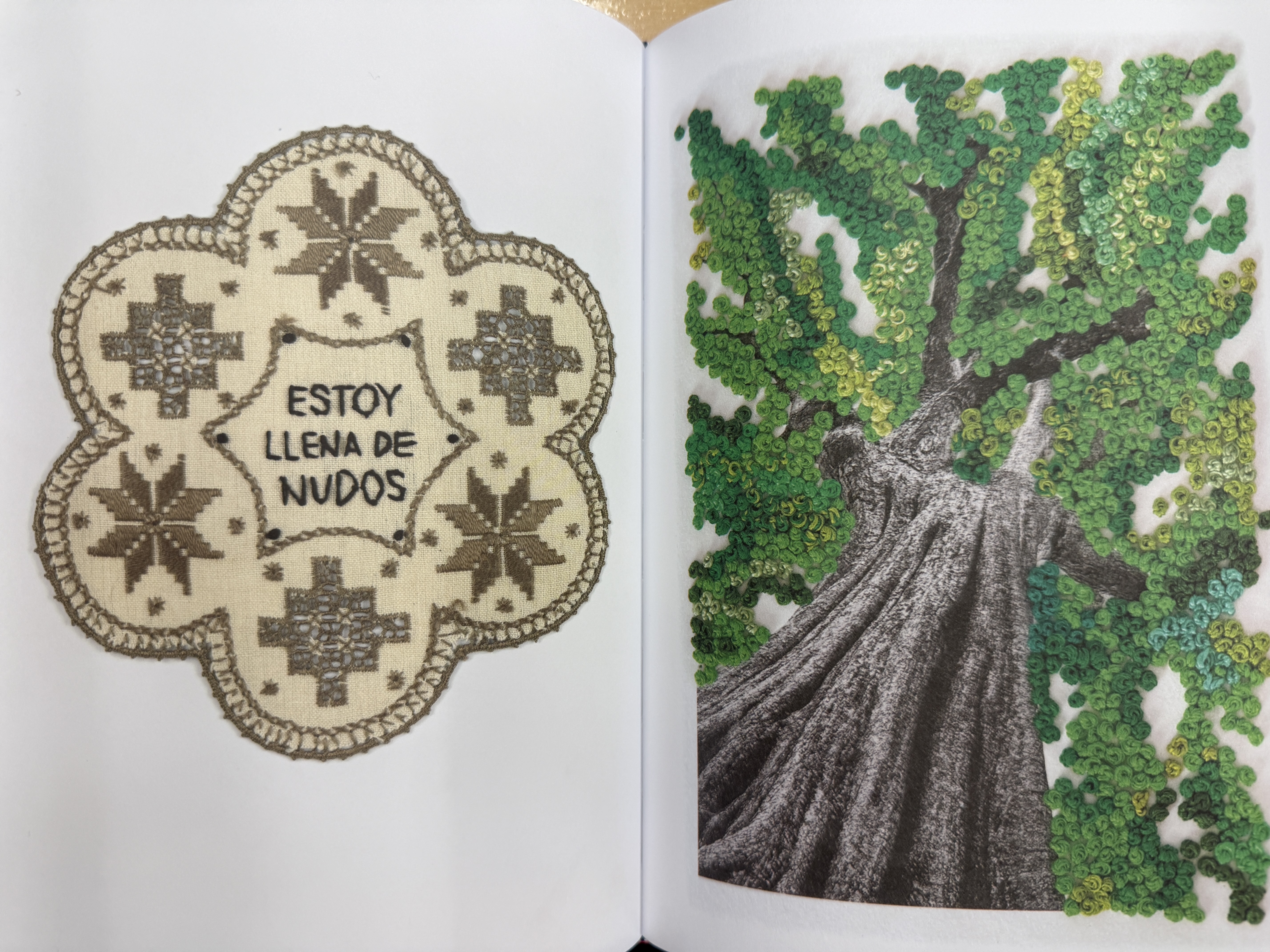
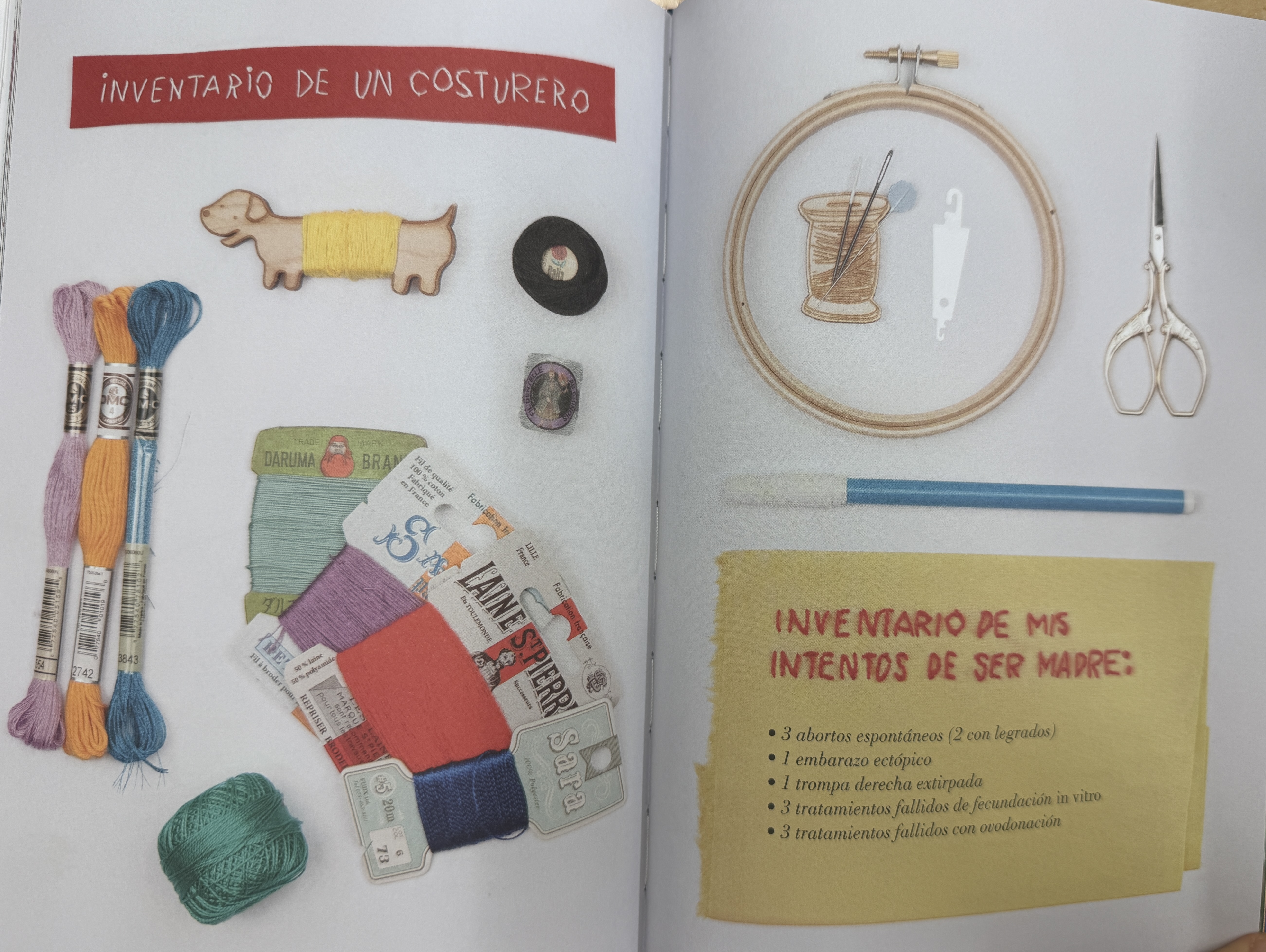
First published in late 2023, Diario de una bordadora was penned by Argentinian-born, Barcelona-based artist Paola Andrea Ghirardi, also known by her pseudonym “Señorita Lylo,” which she uses for her artist persona. Ghirardi’s illustrated text – which is often sold in the graphic novel section of Spanish bookstores – intertwines two narratives, presenting her motherhood quest alongside her development as an embroidery artist by effectively using embroidery as a metaphor for the intricate and tangled nature of her emotional journey to (non-)motherhood. The visual components of sewing and embroidery art enrich Ghirardi’s first-person narrative, reflecting the difficulties of giving voice to invisible reproductive loss and non-motherhood.
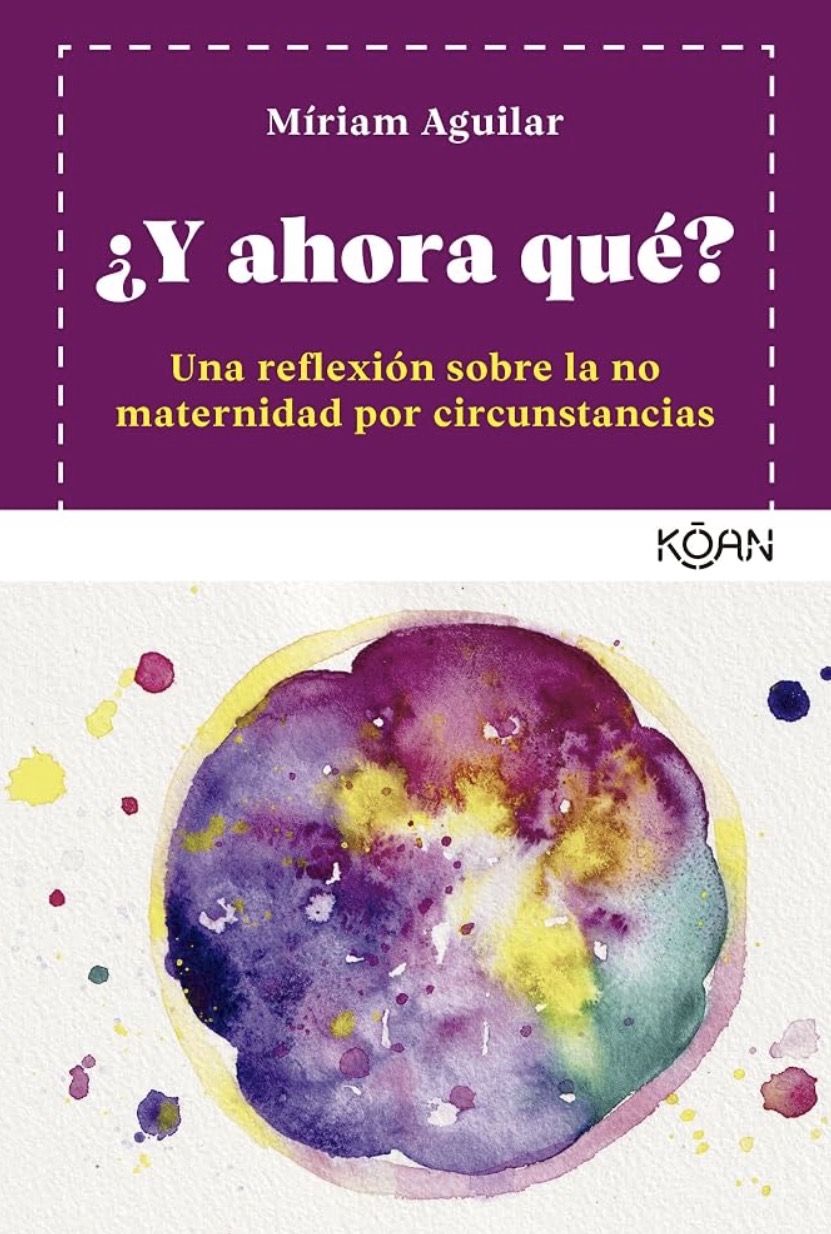
The second text, published in 2024, is Míriam Aguilar’s ¿Y ahora qué? Una reflexión sobre la no maternidad por circunstancias, which is both an attentive, first-person reflection on non-motherhood and a guide for those grappling with the challenges and grief associated with infertility or involuntary childlessness. In blending memoir and social commentary, Aguilar advocates for alternative models of womanhood beyond biological motherhood, redefines what constitutes a happy ending to reproductive journeys, and offers “otros finales felices” for those struggling to accept non-motherhood (35).
Both Ghirardi’s and Aguilar’s accounts trace the uncertainty and grief of prolonged fertility struggles, resist (un)consciously internalized societal pressures and cultural norms about biological motherhood as central to female identity, and reveal both the complexities of maternal desire and the unpredictability of non-motherhood by circumstance. In the end, ¿Y ahora qué? and Diario de una bordadora challenge how we think about choice in relationship to (non-)motherhood by rejecting the simplistic notion that motherhood can be either embraced or rejected, while extending empathy and support to others navigating fertility struggles, maternal grief, or the absence of motherhood.
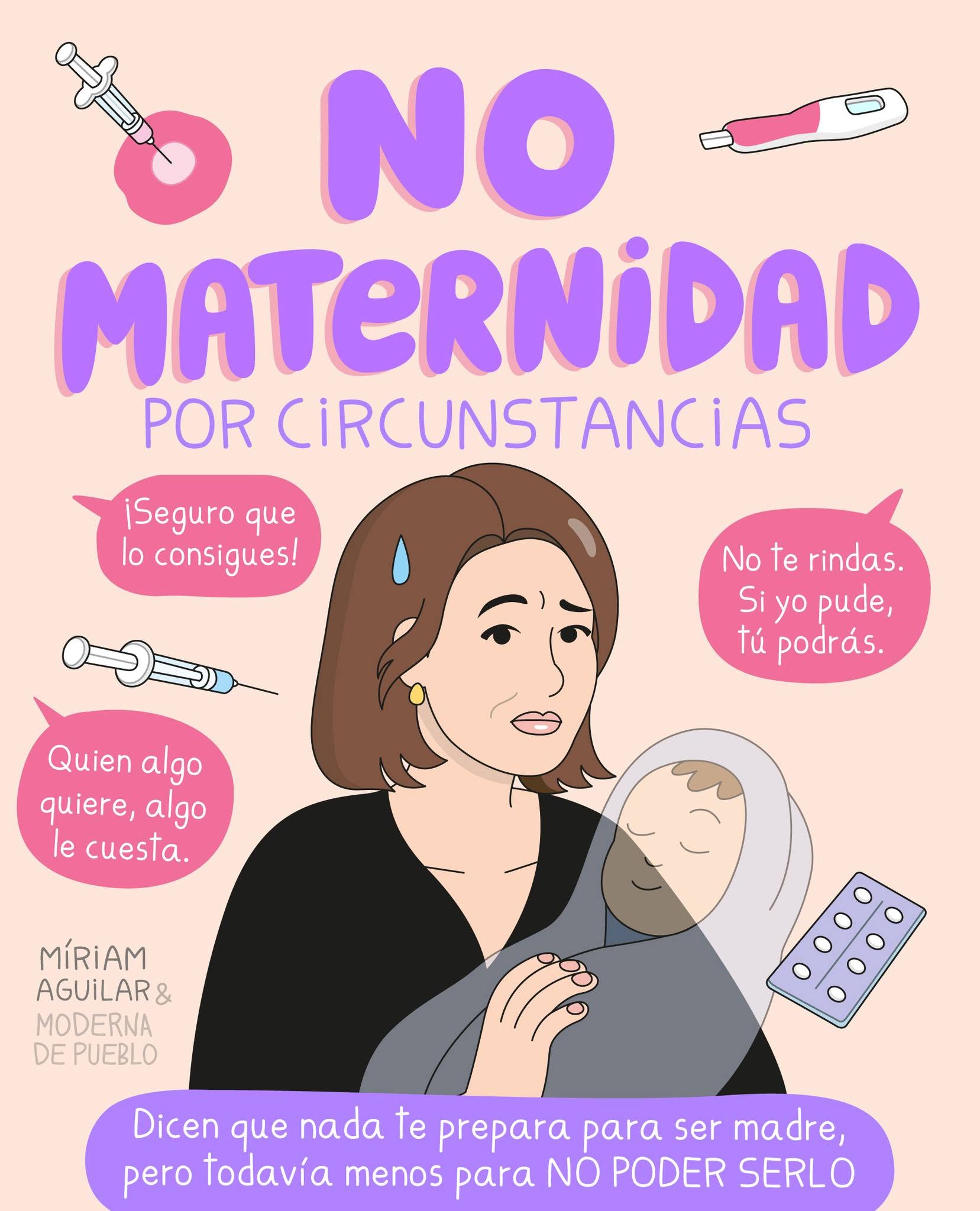
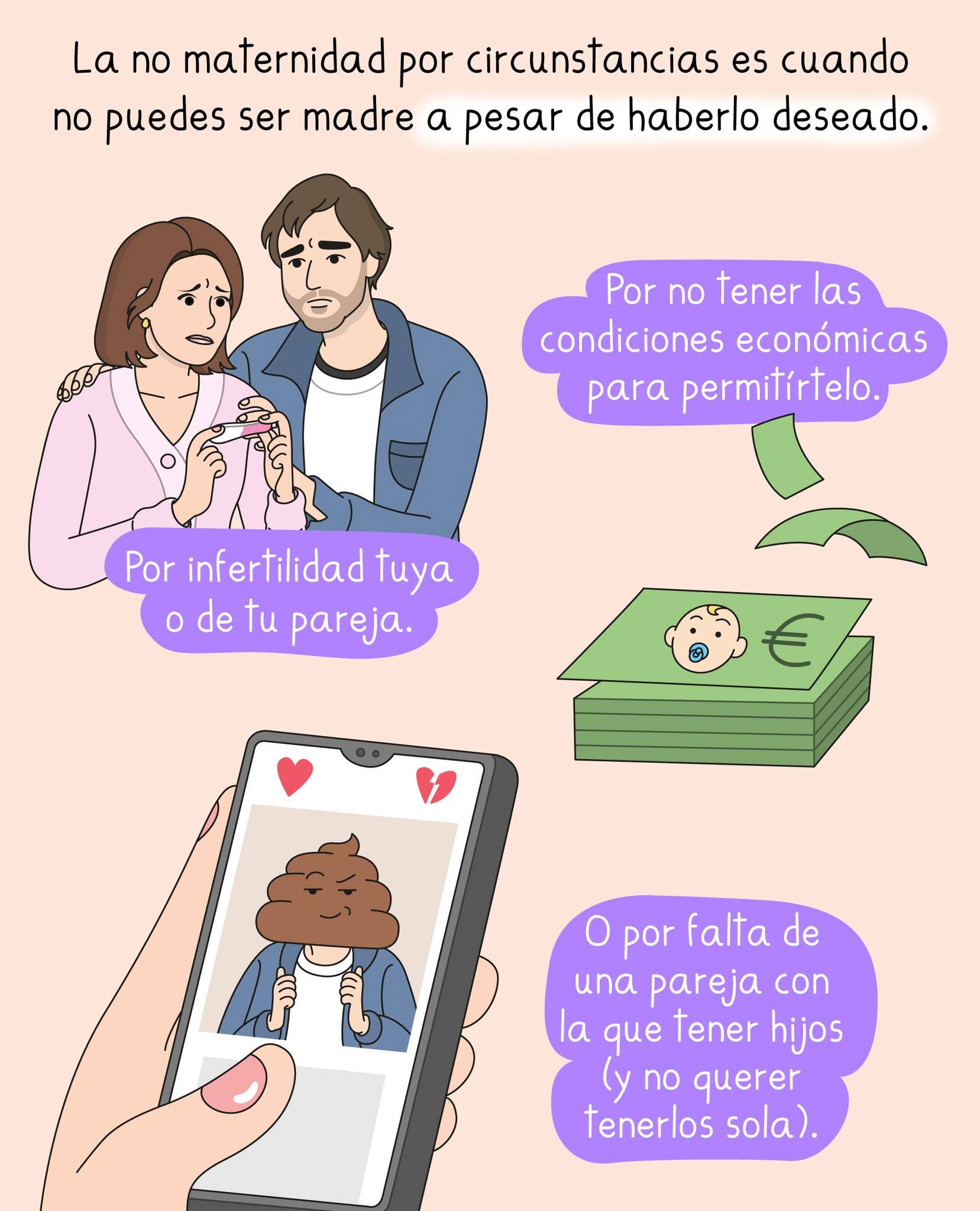
Míriam Aguilar’s definition of non-motherhood by circumstance (la no maternidad por circunstancias) as a deeply desired yet unrealized motherhood provides a useful lens through which to approach both narratives. Appearing in her title and defined early in the text, Aguilar characterizes the experience as one of profound desire and loss:
La no maternidad por circunstancias es aquella que no se concreta pese a haber existido el deseo y, en muchas ocasiones, años de búsqueda de un embarazo, incluso con pérdidas gestacionales en el proceso, que nos dejan a las puertas de esa maternidad deseada. Todas las mujeres sin hijos por circunstancias somos mujeres que quisimos ser madres y no lo fuimos… Aunque cada historia es diferente, la no maternidad por circunstancias es dolorosa siempre. (17)
Aguilar’s “non-motherhood by circumstance” is more encompassing than “infertility” because it accounts for various barriers to motherhood that include, but are not limited to, infertility, perinatal or neonatal loss, illness or health concerns, or social infertility. To discuss the complexity of the non-motherhood experiences that Aguilar and Ghirardi expose, this article is divided into three thematic sections: presumed motherhood, liminal motherhood, and beyond motherhood. Each corresponds with the general chronology of fertility journeys undertaken by women who desire to become biological mothers, attempt to conceive (with or without assisted reproductive technologies, or ARTs) and maintain a pregnancy, and are ultimately unable to birth biological children.
Presumed Motherhood: Education and Sociocultural Preparation
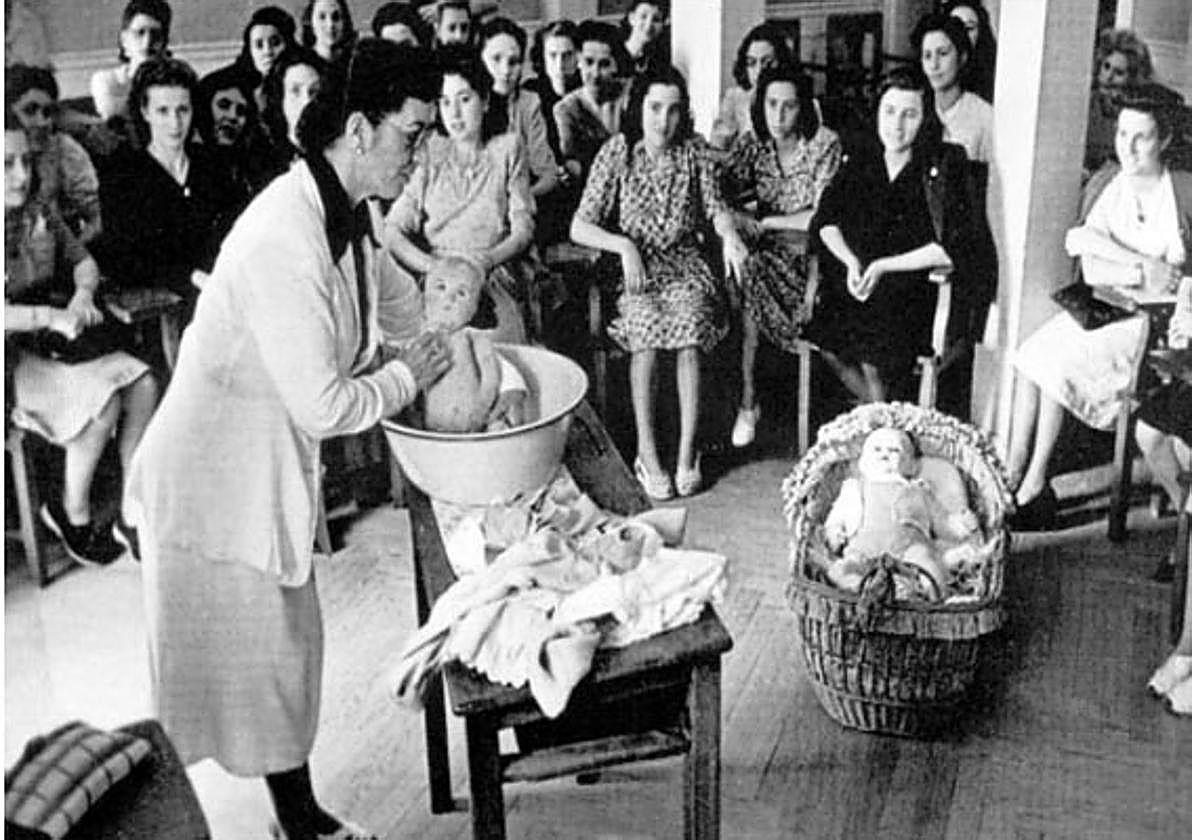
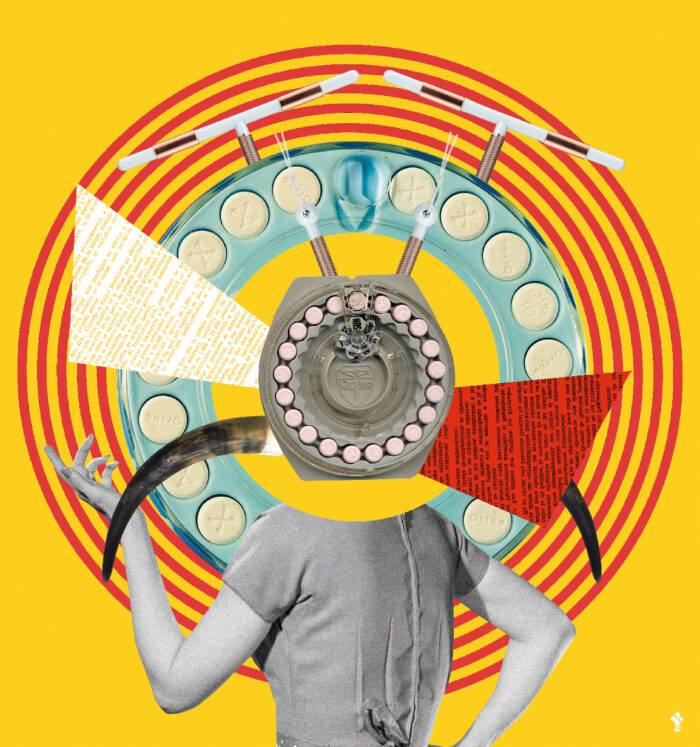
I use the phrase “presumed motherhood” to refer to the social and cultural preparation or education for motherhood, which is often “understood as a quest process” (Bogino Larrambebere, “Impossible Motherhood: From Desire for Motherhood to Non-Motherhood”, 2023, p. 270). This journey toward motherhood begins long before a woman first attempts to conceive, as her education and understanding of sexual relations, pregnancy, and motherhood are conditioned by social and cultural messages. In late twentieth-century Spain, like in many other western nations, women were often raised with conflicting messages about fertility, sex, and motherhood… (read more here)
Liminal Motherhood: The Costs of Seeking Pregnancy
Building on Bogino Larrambebere’s language of “impossible motherhood,” which she uses to describe the uncertain timeframe in which women repeatedly pursue pregnancy (often through ARTs) without reaching the desired outcome of childbirth (“Impossible” 360), as well as Alison Reiheld’s theorization of miscarriage as a “liminal state” of transition (“The Event That Was Nothing: Miscarriage as a Liminal Event, 2015, p. 10), I use the phrase “liminal motherhood” to foreground the suspension and ambiguity that characterize motherhood journeys defined by infertility, ARTs, and/or pregnancy loss, and that culminate in non-motherhood. Unlike “impossible motherhood,” which points to a thwarted outcome, or Reiheld’s “liminal state” that refers specifically to the embodied experience of natal loss, “liminal motherhood” highlights the protracted instability of a maternal identity repeatedly and indefinitely in the process of becoming. Relevant to this line of thinking is Jennifer Scuro’s The Pregnancy =/= Childbearing Project (2017), in which she situates pregnancy itself as a complex maternal experience with multiple outcomes, rather than a step towards a singular outcome of eventual childbirth and motherhood (189–90). Scuro’s “disentanglement” (189) of pregnancy and childbearing offers a space for non-mothers by circumstance within motherhood literature and for a discussion of non-motherhood not as a failure, but rather as one possible experience or outcome of maternal desire. In this section, I focus on three characteristics of liminal motherhood that are visible in Aguilar’s ¿Y ahora qué? and Ghirardi’s Diario de una bordadora. First, a woman’s relationship with her own body becomes fraught, as it is progressively defined by anxiety, grief, medicalization, and perceived failure. Second, extended liminality places a strain on both a woman’s sense of self and on her intersubjective relationships. And third, the prolonged and indefinite path toward motherhood exacts significant costs in terms of time, energy, and resources, on financial, physical, emotional, and psychological levels… (read more here)
Beyond Motherhood: Acceptance and Redefined Success
In ¿Y ahora qué? and Diario de una bordadora, Aguilar and Ghirardi ultimately reject the idea that non-motherhood is synonymous with failure or tragedy, admitting that it took time to arrive at that sentiment. For Aguilar, this involves validating the grief that remained unrecognized, dismissed, or denied throughout non-motherhood journeys: “Seamos conscientes o no, pues no haber podido ser madre quizá se viva durante un tiempo como un duelo negado” (17). Both narratives correspond with what Bogino Larrambabere observed in the participants in her non-motherhood by circumstance study, in which the “desire for motherhood is transformed and new projects appear” that reinvent goals and (re)shape the women’s subjectivity (“Impossible” 374–75). In the case of Aguilar and Ghirardi, both turned to creative outlets to share their experiences and joined supportive communities to engage in various degrees of activism. As Albarrán Caselles has observed, recent motherhood narratives often reveal a deep connection not only between the reproductive body and the creative process, but between the individual and the broader social fabric, even in texts like Nanclares’ Quien quiere ser madre, which closes with an “unsuccessful” fertility journey: “la maternidad constituye una relación humana y no un mero rol identitario desligado de la interacción intersubjetiva” ((Pro)creación. Escritura y maternidad en la España contemporánea, 2022, pp. 23–24). Reading Aguilar’s and Ghirardi’s work through this lens highlights how their storytelling itself constitutes a (pro)creative act with value beyond reproductive “success,” ultimately reframing their isolated maternal journeys to non-motherhood as both generative and intersubjective. Both authors’ transition to and acceptance of non-motherhood allows them to proactively shift their identities and influence beyond the limits of their previously solitary reproductive journeys.. (read more here)
Learn more about Ghirardi on her website, Señorita Lylo, or Instagram @srtalylo, and about Aguilar on her website, Mir Aguilar, or Instagram: @holasoymir.
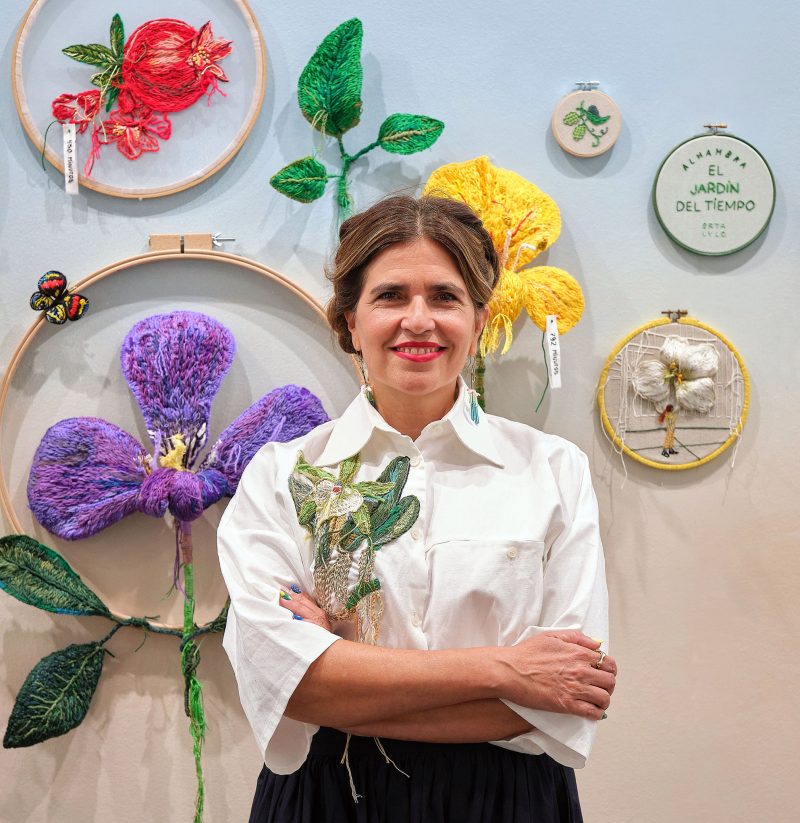
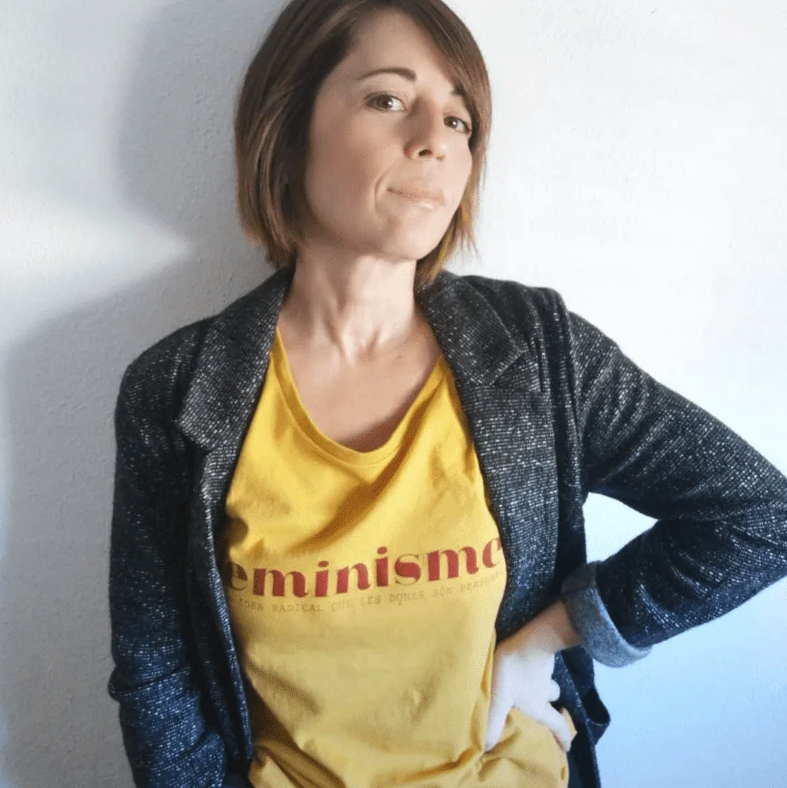
I would love for you to download the full article here, and please do let me know what other non-motherhood texts — in Spanish or English — you have read recently. Below are a few of my own recommended readings on non-motherhood in Spain and Spanish literature… including the books I featured I my article. I’ve listed them starting with the most recent, and all links are via Amazon because the Kindle versions are often the most affordable options ($5-10) for quick access in the USA to contemporary Spanish publications.
2026: Madres, no madres y madres en limbo, by Maricel Días (ExLibric) – poetry
2026: Narrating Infertility in Spain, by Catherine Bourland Ross (Bucknell University Press) – academic study of five Spanish narratives published since 2017.
2024: ¿Y ahora qué? Una reflexión sobre la no maternidad por circunstancias, by Míriam Aguilar (Koan).
2023: Diario de una bordadora, by Paola Andrea Ghirardi, aka Srta. Lylo. (Lumen) – first-person narrative/memoir with the author’s illustrations
2023: Placenta by Alaine Agirre, translated from Basque by Xabier Mendiguren (Tres Hermanas). Título original en Euskara: Karena (Elkar) – narrative centered on a protagonist struggling with the desire to be a mother and the difficulties posed by ARTs and (late-term) pregnancy loss
2019: El vientre vacío, by Noemí López Trujillo (Capitán Swing)
2017: No madres: Mujeres sin hijos contra los tópicos, by Maria Fernández-Miranda (Plaza & Janes) – essays and interviews
2017: Quien quiere ser madre by Silvia Nanclares (Alfaguara)


